
"coffee attributes"
2000 article(s) found

Guadeloupe, a name that used to be proud of in coffee history.
Good coffee production has been affected by natural disasters this group of islands in the Caribbean used to be an important producer of coffee. In 1789, more than 1 million coffee trees on 500 hectares of land produced 4000 tons. Today, only 150 hectares of land is used to grow coffee. This decline can be attributed to the increase in sugar cane and banana production and Hurricane Hurricane Ines in 1996.

Guadeloupe used to be the best producer of coffee.
Good coffee production has been affected by natural disasters this group of islands in the Caribbean used to be an important producer of coffee. In 1789, more than 1 million coffee trees on 500 hectares of land produced 4000 tons. Today, only 150 hectares of land is used to grow coffee. This decline can be attributed to the increase in sugar cane and banana production and the impact of Hurricane HurricaneInes in 1996.
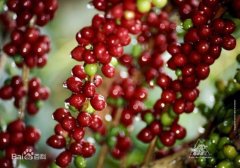
These Caribbean islands of Guadeloupe used to be an important producer of coffee.
Good coffee production has been affected by natural disasters this group of islands in the Caribbean used to be an important producer of coffee. In 1789, more than 1 million coffee trees on 500 hectares of land produced 4000 tons. Today, only 150 hectares of land is used to grow coffee. This decline can be attributed to the increase in sugar cane and banana production and Hurricane HurricaneInes in 1996.

The History of siphon Pot introduction to siphon coffee pot
More information on coffee beans Please follow Coffee Workshop (Wechat official account cafe_style) in the 1830s, Loeff in Berlin applied for the earliest known patent for a vacuum coffee machine, and the popularity of siphon coffee was attributed to a French woman who designed the first commercially successful vacuum coffee machine. The history of siphon (Lyons)

Coffee beans American Guadeloupe
Good coffee production has been affected by natural disasters this group of islands in the Caribbean used to be an important producer of coffee. In 1789, more than 1 million coffee trees on 500 hectares of land produced 4000 tons. Today, only 150 hectares of land is used to grow coffee. This decline can be attributed to the increase in sugar cane and banana production and Hurricane Hurricane Ines in 1996.

Adado Adado Cooperative Sidamo delicious coffee with rich taste and delicious flavor
Boutique coffee (specialty coffee) is also called specialty coffee selection coffee. It refers to coffee made from a small number of raw beans with excellent taste grown in an ideal geographical environment. Depending on the special soil and climatic conditions in which they grow, they have outstanding flavor. After strict selection and classification, this kind of coffee is hard in texture, rich in taste and stylish.
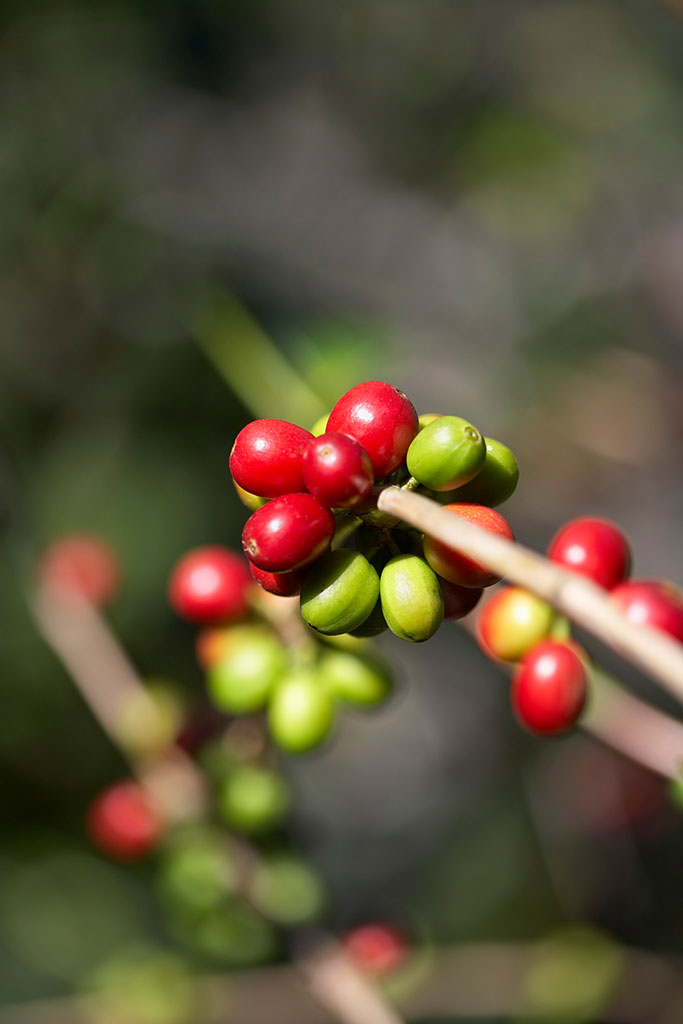
Resa Cooperative Addis Katema Cooperative Vina Gor Ethiopian Coffee
The coffee garden with an elevation of more than 1500 meters has formed a unique coffee style after more than a thousand years of evolution and adaptation. Ethiopian coffee grown in the natural wild environment is called wilderness coffee, which retains the most primitive and natural taste of coffee beans and has the most direct and full expression of the local environment. Production area of Resa Cooperative (1000-1400 m): Gedeo-Wenago Wei
Restorative growth of coffee production industry in Colombia
It is reported that the Colombian Coffee Growers Association attributed the sharp rebound in production to the cultivation of high-yielding coffee varieties, and the Colombian coffee production industry has finally achieved restorative growth after going through the trough of previous years. As of July this year. Colombian coffee production reached 6.8 million bags (60 kg each), an increase of 13% over the same period last year; the output value exceeded 2.7 trillion pesos (about US $1.43 billion), an increase over the same period last year

Biloya Biloya Cooperative (1600-2500 meters) Cochel Manor Waka Cooperative boutique Cafe
Boutique coffee (specialty coffee) is also called specialty coffee selection coffee. It refers to coffee made from a small number of raw beans with excellent taste grown in an ideal geographical environment. Depending on the special soil and climatic conditions in which they grow, they have outstanding flavor. After strict selection and classification, this kind of coffee is hard in texture, rich in taste and stylish.

Koke Cook Cooperative Ethiopian Coffee Cooperative Fine Coffee
Annual output of raw coffee beans: 457000 kg average farm size: maximum 4 hectares, annual yield of about 699kg per hectare all treatment equipment certificate: Fair Trade Fair Trade, Organic Organic Coffee Koke Cook Cooperative (1750-2300 m) producing areas: Gedeo- Yega Xuefei members: 828people Land attribute: red brown soil can provide a group of treatments
Coffee production in Colombia warms up
According to the Colombian briefcase, the coffee production industry in Colombia has finally achieved restorative growth after going through the trough of previous years. As of July this year. Costa Rican coffee production reached 6.8 million bags (60 kg each), an increase of 13% over the same period last year; the output value exceeded 2.7 trillion pesos (about US $1.43 billion), an increase of 36% over the same period last year. The Colombian Coffee Growers Association attributed the sharp rebound in production to high-yield coffee.

Introduction to the Flavor of Nicaraguan Coffee
Dry aroma (1-5): 3.8 wet aroma (1-5): 3.8 acidity (brightness) (1-10): 8.9 taste (layering) (1-10): 8.8 taste (alcohol thickness) (1-5): 3.4 aftertaste (residue) (1-10): 8.9 balance (1-5): 2 basic score (50): 50 total score (maximum 100): 89.6 strength / strength Main attributes: medium strength / clear chocolate

Introduction to the regional treatment of Bolivian coffee beans
Bolivia is not a big producer of acidity (brightness) (1-10): 8.8 taste (layering) (1-10): 8.6 taste (alcohol thickness) (1-5): 2.9 aftertaste (residue) (1-10): 8.5 balance (1-5): 0 base score (50): 50 total score (maximum 100): 86.1 strength / main attributes: light intensity / exquisite flowers
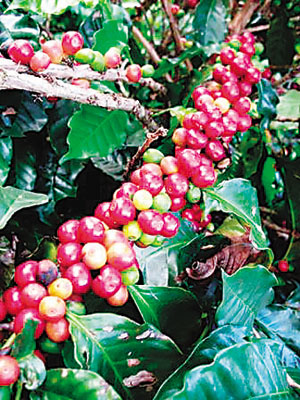
Ethiopian Coffee Edido Ediot Cooperative African Yega Sheffield Ethiopian Coffee
Production area of Edido Edidot Cooperative (1750-2300 m): Gedeo- Yega Xuefei members: 1044 people Land attribute: red brown soil can provide a set of treatment equipment certificates: Fair Trade Fair Trade, Organic organic coffee processing plant screening available berries, directly placed on the shelf exposure, just a few days before the sun will be turned every 2-3 hours to prevent excessive hair

Belekara Cooperative Yega Sheffield African boutique coffee Ethiopian flavor
Production area of Belekara Cooperative (1000-1400 m): Gedeo-Wenago Vina members: 685Land attribute: red brown soil can provide a set of treatment equipment certificates: Fair Trade Fair Trade, Organic Organic Coffee Raw Bean Annual output: 457000 kg average farm size: maximum 4 hectares, annual output per hectare is about 699kg.

Adado Adado Cooperative Sidamo-Bule soft acidity and citrus flavor
Production area of Adado Adado Cooperative (1200-1700 meters): Sidamo-Bule members: 1128 people Land attribute: red Brown soil can provide a set of processing equipment certificates: Fair Trade Fair Trade, Organic Organic Coffee Yirgacheffe coffee from Ethiopia, although petite, but gentle and delicate, sweet and lovely. As the hometown of coffee

African Aramo Cooperative body thick and lasting 90 + Clinique producing area
Flavor description: light fermented wine, jujube, sweet orange tonality, dark berries, litchi, carambola, peach, peach, longan jujube, honey sweet, cocoa with a hint of spice, body thick and lasting Aramo Cooperative (1750-2300 m) (90 + Clinique producing area): Gedeo- Yega Snow members: 2254 people Land attribute: red brown soil can provide
Start with the success of opening a coffee shop
Starting with the success of opening a coffee shop: Qiu Hui help: CPR Xuan Yu this article was published in the boutique shopping guide Liang Mingyuan Italian Coffee Beijing area promoters saw Mr. Liang, he had just returned from a trip to Africa, and in the coffee map he designed, he had traveled all over the four continents, and the excitement could not be hidden. For coffee lovers, obsessively search for the best

What are the effects of drinking black tea on your health? Is black tea calming or refreshing?
The nutrition of black tea is rich in antioxidants such as polyphenols and catechins. Its oxidation capacity exceeds that of oolong tea, white tea and green tea. The main antioxidant compounds in tea are theaflavins, lycopene and catechins. These antioxidants are the main healthy ingredients of black tea. Because people who regularly drink black tea drink it every day, the efficacy of black tea will be enhanced. [3] unsweetened tea contains almost no calories
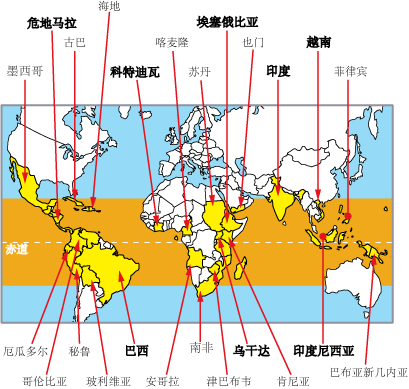
Which coffee beans are recommended by China Coffee Network? This group of islands in the Caribbean, Guadelopponi.
Guadeloupe's good coffee production has been affected by natural disasters. The Caribbean islands used to be important producers of coffee. In 1789, more than 1 million coffee trees on 500 hectares of land produced 4000 tons. Today, only 150 hectares of land is used to grow coffee. This decline can be attributed to the increase in sugar cane and banana production and Hurricane Hurrica in 1996.